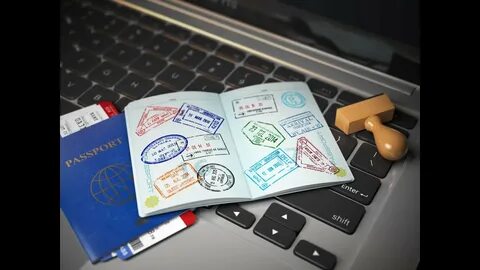
Applying for a visa can be stressful. Every year, millions of people apply for student, work, tourist, and immigration visas. Many applications are delayed or rejected because of simple mistakes. Missing documents, poorly written letters, incorrect information, and failure to meet requirements often lead to disappointing outcomes.
Fortunately, artificial intelligence is changing the way people prepare their visa applications. AI-powered tools can help you organize documents, improve your writing, translate certificates, summarize long documents, and even prepare for visa interviews. While these tools cannot guarantee visa approval or replace official immigration advice, they can significantly improve the quality and accuracy of your application.
This guide explains the best AI tools for visa preparation, how they work, their strengths and weaknesses, and practical tips for using them responsibly.
Why AI Is Becoming Popular for Visa Applications
Many visa applicants have limited experience completing official forms or writing formal documents. AI makes these tasks easier by providing instant suggestions and helping applicants avoid common errors.
Some of the biggest benefits include:
- Faster document preparation
- Better grammar and professional writing
- Improved organization
- Translation support
- Interview practice
- Time savings
- Reduced stress
Many immigration experts also encourage applicants to carefully review official government requirements before submitting their documents. You can always confirm the latest visa rules on the official immigration website of your destination country.
What AI Can and Cannot Do
Before relying on AI, it is important to understand its limitations.
| What AI Can Do | What AI Cannot Do |
|---|---|
| Improve grammar | Approve your visa |
| Draft cover letters | Replace immigration officers |
| Translate documents | Guarantee visa success |
| Organize information | Submit applications for you |
| Help prepare interviews | Provide legal representation |
| Explain visa terminology | Change government requirements |
Think of AI as your assistant rather than your decision-maker.
Best AI Tools for Visa Preparation
Several AI platforms can simplify different stages of the visa application process.
ChatGPT
ChatGPT is one of the most versatile AI assistants available today. It helps applicants draft visa cover letters, explain immigration terms, prepare interview questions, and organize travel plans.
It is especially useful for:
- Writing invitation letters
- Creating travel itineraries
- Reviewing Statements of Purpose
- Practicing interview questions
- Explaining visa requirements in simple language
Always compare AI-generated responses with the official visa instructions. The official guidance from the U.S. Department of State is a reliable example of where applicants should verify country-specific requirements.
Grammarly
Many visa applications require formal writing.
Grammarly helps improve:
- Grammar
- Spelling
- Sentence structure
- Clarity
- Professional tone
A well-written document creates a stronger first impression.
DeepL Translator
Applicants often need certified translations.
DeepL produces natural translations for many languages and can help you understand foreign documents before obtaining certified translations where required.
It works well for:
- Birth certificates
- Academic records
- Employment letters
- Financial documents
Remember that many embassies require officially certified translations rather than AI-generated ones.
Google Gemini
Gemini is another powerful AI assistant.
It can help applicants:
- Research visa requirements
- Summarize lengthy immigration information
- Compare visa options
- Create document checklists
Use it alongside official government guidance for the most accurate information.
Microsoft Copilot
Copilot integrates well with Microsoft Word.
It helps applicants:
- Rewrite formal letters
- Improve resumes
- Format professional documents
- Create travel schedules
- Draft employment explanations
For applicants preparing several documents, Copilot can save significant time.
AI Tools for Writing Visa Cover Letters
A visa cover letter explains the purpose of your trip and supports your application.
AI can help organize your ideas into a professional format.
A strong cover letter usually includes:
- Your travel purpose
- Planned travel dates
- Financial support details
- Employment information
- Commitment to return home
- Appreciation for consideration
Avoid copying AI-generated letters word for word. Personalize every section with accurate information.
AI for Visa Interview Preparation
Many applicants fear visa interviews more than paperwork.
AI makes interview practice much easier.
It can simulate questions such as:
- Why do you want to visit this country?
- Who is paying for your trip?
- What do you do for work?
- Why will you return home?
- Where will you stay?
Practicing these questions builds confidence and helps applicants give clear, honest answers.
AI Can Help Organize Your Documents
Missing documents remain one of the leading causes of visa delays.
AI can generate personalized checklists based on your visa type.
A typical checklist may include:
- Passport
- Passport photographs
- Application form
- Bank statements
- Employment letter
- Hotel reservation
- Flight itinerary
- Invitation letter
- Travel insurance
- Proof of accommodation
Always verify document requirements on the official immigration website of the country where you are applying.
Common Mistakes AI Helps Prevent
AI can identify several common errors before submission.
Examples include:
- Grammar mistakes
- Inconsistent travel dates
- Missing information
- Poor formatting
- Repetitive writing
- Weak explanations
- Unclear travel purpose
Although AI reduces mistakes, human review remains essential.
When You Should Not Depend on AI
There are situations where AI should only provide general assistance.
Avoid relying solely on AI when:
- Facing previous visa refusals
- Handling immigration appeals
- Applying under complex immigration categories
- Responding to legal notices
- Preparing court-related immigration documents
In such cases, consulting a qualified immigration lawyer or licensed immigration adviser is often the better option.